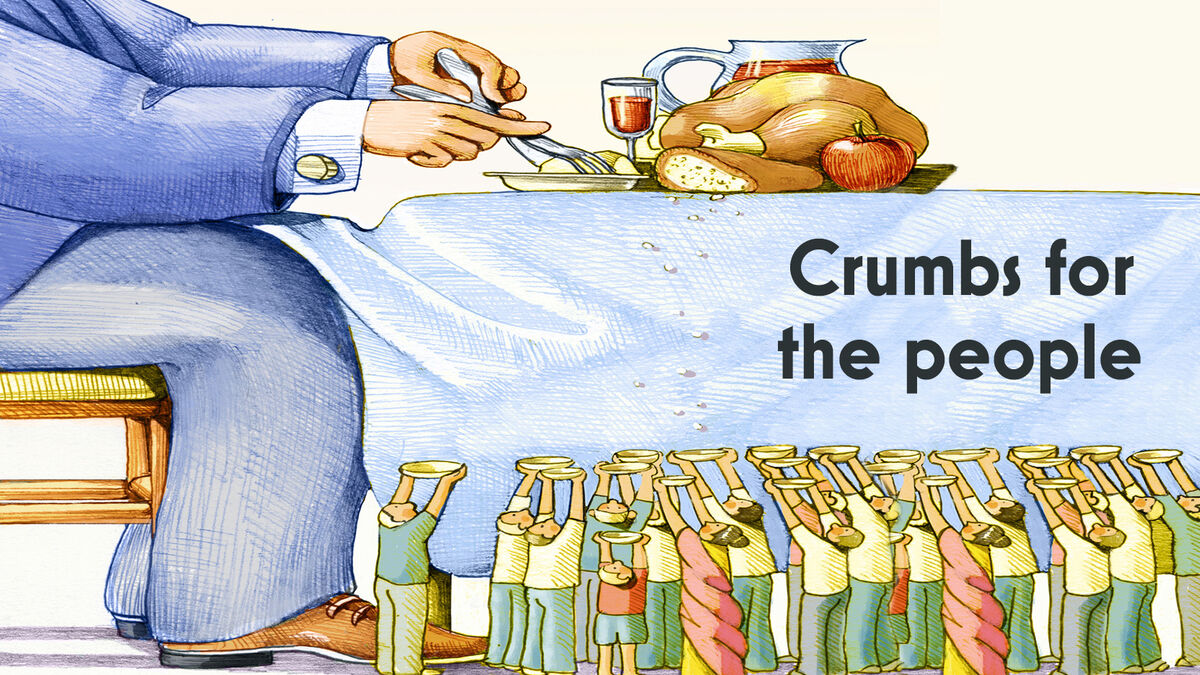
Political satire is one of democracy’s oldest and most important creative traditions — using humour, irony, and exaggeration to critique political figures, institutions, and events. From Jonathan Swift’s 1729 “A Modest Proposal” to The Daily Show, Last Week Tonight, and Saturday Night Live, political satire has always occupied a unique space between entertainment and political commentary political satire explained.
What Political Satire Is — and What It Is Not
Political satire uses humour as its primary vehicle for political criticism. Unlike straight political commentary, which argues a position directly, satire makes its point through exaggeration, irony, parody, and deliberate absurdity. A satirical piece about a politician’s policy might portray the logical extreme of that policy in an obviously exaggerated way — making the criticism through comedy rather than direct argument.
Crucially, political satire is not news reporting. The Daily Show, The Onion, Private Eye, and similar outlets are explicitly opinion and entertainment — they select facts to support a comedic argument rather than to provide balanced factual reporting. This distinction matters enormously. Audiences who consume satire as if it were news reporting get a picture of political reality shaped by the satirist’s targets and perspective rather than by balanced journalistic coverage. Understanding the difference between news and opinion is the essential foundation for consuming satire appropriately.
Historical Examples: Satire’s Long Democratic Tradition
Jonathan Swift (1667–1745): “A Modest Proposal” (1729) suggested the Irish poor should sell their children as food for the English rich — a devastatingly savage satirical attack on English exploitation of Ireland and on the heartless economic arguments used to justify colonial exploitation. Swift’s irony was so deadpan that some readers reportedly took it literally, illustrating both satire’s power and its inherent risk of misunderstanding.
Mark Twain (1835–1910): Used humour systematically to attack racism, imperialism, and political corruption. “The Adventures of Huckleberry Finn” functions as sustained satire of Southern society’s moral rationalisation of slavery, disguised as a children’s adventure story.
Private Eye (1961–present): Britain’s longest-running satirical magazine, which has consistently broken genuine political scandals beneath its comedy cover — including early coverage of the phone-hacking scandal, Thatcher-era political corruption, and NHS management failures. Private Eye demonstrates that satire at its best is not merely entertainment but investigative journalism with a comedic frame.
Saturday Night Live’s political sketches: SNL’s presidential impressions — Chevy Chase’s Gerald Ford, Tina Fey’s Sarah Palin, Alec Baldwin’s Donald Trump — became culturally defining characterisations that shaped public perception of their subjects in ways that concerned media scholars. Tina Fey’s satirical line “I can see Russia from my house” is frequently misattribute to Sarah Palin herself — a striking example of satire’s capacity to replace reality in public memory.
The Daily Show Effect: When Satire Meets Journalism
Jon Stewart’s Daily Show (1999–2015) is the most study intersection of political satire and journalism in American media history. Research found that Daily Show viewers were often better informed about political events than viewers of traditional news — partly because the satirical format required genuine engagement with real political content in order to mock it effectively.
Stewart’s 2004 appearance on CNN’s Crossfire, where he called the show’s format “hurting America” by performing political theatre rather than journalism, became a landmark moment in media criticism — and contributed to Crossfire’s cancellation. The clip remains one of the most-watched pieces of television media criticism in internet history.
The risk of the satirical news format is the inverse of its strength: audiences who consume The Daily Show or Last Week Tonight as their primary news source receive political information filtered through a specific comedic and political perspective, with story selection driven by what works as comedy rather than what is most newsworthy. This connects to the broader concern about how media shapes political understanding.
Poe’s Law: When Satire Becomes Indistinguishable from Reality
Poe’s Law states that without a clear signal of satirical intent, a parody of extreme positions is indistinguishable from a sincere extreme position. As political rhetoric has become more extreme, satirical exaggeration has become genuinely harder to distinguish from unironic statements — creating real situations where satire is shared as genuine news.
The Onion’s headline “No Way To Prevent This, Says Only Nation Where This Regularly Happens” — publish repeatedly after mass shootings — is shared regularly on social media as genuine reporting by people who miss the satirical frame. This is not a failure of intelligence; it is a structural feature of satire operating in an environment where the real and the absurd have become harder to distinguish.
Knowing how to verify content before sharing prevents satirical misrepresentation from spreading as misinformation — and understanding what sensationalism looks like helps identify when genuine news has borrowed satire’s emotional intensity without its ironic frame.
Political Satire in the Social Media Era
Social media has both amplified satire’s reach and complicated its reception. A satirical headline shared without the article — just the text, screenshotted out of context — loses the signals that mark it as satire and becomes functionally indistinguishable from genuine reporting to many viewers. The speed of sharing on platforms like X (Twitter) and Facebook means satirical content reaches audiences who lack the context to identify it as satire before it has reshare thousands of times.
At the same time, satirical creators have found genuinely new forms on social media — short video satire on TikTok and Instagram, satirical news accounts on X, and newsletter satirists reaching large dedicated audiences directly. The format has adapted to the platform even as the core function — using comedy to critique political power — remains unchanged from Swift’s era political satire explained.
Frequently Asked Questions
Is political satire protect speech?
In the United States, political satire receives strong First Amendment protection. Courts have consistently held that satire of public figures on matters of public concern is protect speech, even when highly critical or unflattering, because it is understand as opinion and creative expression rather than factual assertion. The key legal test is whether a reasonable person would understand the content as satirical rather than as a genuine factual claim. Clearly labelled satire — The Onion’s format, SNL’s sketch format — faces essentially no legal risk. Unlabelled satire that could be mistaken for genuine reporting occupies more legally complex territory, particularly in jurisdictions with stronger defamation laws than the US political satire explain.
What is the difference between satire and fake news?
Satire is intentional, recognisably humorous exaggeration created for the purpose of criticism — the creator knows it is not literally true and typically signals this through obvious absurdity, institutional labelling, or explicit genre identification. Fake news presents false information as if it were genuine reporting, with the intent to deceive people into believing false claims are factual. The same surface content can function as either depending on how it is present and receive. A satirical article about a politician committing an absurd act is satire; a fabricated article claiming the same politician committed an actual crime, formatted to appear as legitimate news, is misinformation. The distinction hinges on intent and on whether the satirical frame is clear to the audience.
How do I explain to someone that a satirical article is not real?
political satire explained, Show them the publication’s About page, which for satirical outlets will explicitly state their satirical nature. Point to specific elements signalling satire — logical extremes pushed past plausibility, ironic reversals, the publication’s known identity as satire. Avoid condescension — mistaking satire for real news is an extremely common error affecting people across all education and intelligence levels, particularly when content is share without its original context. Then share the accurate information about the underlying real event the satire was based on, so the person gains accurate understanding of what actually happened alongside the correction of the specific misunderstanding.

The official voice of Insightful Post, providing real-time updates on the stories that shape our world. From breaking global news to essential general reporting, the Admin team is dedicated to delivering accurate, timely, and unbiased information. Our mission is to keep you informed with the facts, ensuring the Insightful Post community never misses a beat in the fast-paced world of news.