Gaming content creation in 2026 is a mature industry with creators who have built decade-long careers through genuine expertise, distinctive voices, and authentic communities. The top gaming influencers worth following are not simply skilled players but content creators who add intellectual, entertainment, or community value that makes their content worth seeking out beyond passive algorithmic recommendation.
YouTube: The Video Essay Masters
Mark Brown — Game Maker’s Toolkit: The gold standard for analytical gaming content. Brown’s video essays on game design — covering mechanics, accessibility, level design, and the craft of interactive storytelling — are used as reference material by actual game developers. His series on accessibility in games and his “Boss Keys” dungeon analysis series are among the most intellectually substantial content YouTube’s gaming ecosystem has produced. Essential for anyone interested in understanding games as designed experiences rather than just entertainment.
Jacob Geller: Video essays that use games as a starting point for exploring philosophy, history, architecture, and human psychology. Geller’s essay “Who Killed Morrowind?” and his analysis of horror and liminal spaces in games represent YouTube gaming content at its most ambitious. His upload frequency is low but quality is exceptional.
Skill Up: The most reliable and methodically rigorous game review channel on YouTube. His reviews are long (30–60 minutes), deeply considered, and honest in ways that most gaming coverage is not — he has given negative reviews to high-profile games when warranted. For people who want genuinely trustworthy purchasing guidance, Skill Up is the standard.
Internet Historian: Produces long-form documentary-style videos about internet culture events with significant gaming crossover (the story of the Fyre Festival, the history of No Man’s Sky’s release disaster). Infrequent uploads but consistently viral productions.
Twitch: Live Streaming Worth Watching
Ludwig: Having moved from Twitch to YouTube and back, Ludwig has built one of the most engaged gaming communities through chess boxing, variety content, and a genuine personality that generates compelling live moments. His chess content in particular attracted a genuinely broad audience not typical of gaming streams.
Pokimane: The most subscribed female streamer on Twitch, with content spanning variety games, Just Chatting, and creative streams. Her longevity in an industry with high turnover reflects genuine community management skills and audience loyalty built over nearly a decade.
Summit1G: One of the most technically skilled and experienced streamers on the platform, with deep expertise in tactical shooters and a streaming style that prioritises gameplay quality over production gimmicks. His viewer base skews experienced and the gameplay commentary is genuinely informative.
TikTok: Short-Form Gaming Content
TikTok gaming content operates on fundamentally different principles than YouTube or Twitch — discovery replaces subscription, 60-second clips replace long sessions, and viral moments replace community continuity. The gaming creators who have succeeded on TikTok have typically done so through one of three approaches: dramatic gameplay moments (clips from competitive or horror games with strong emotional peaks); educational content (quick tips, hidden mechanics, secret locations); or personality-driven commentary on gaming culture and news.
The platform has become the primary discovery channel for gaming news among under-25 audiences — gaming news, controversy, and discourse now circulate on TikTok before reaching YouTube or traditional gaming media. Following gaming content on TikTok provides a different kind of value than YouTube or Twitch: trend awareness and community sentiment rather than depth.
Gaming Podcasts: Depth Beyond Video
Gaming podcast content provides the depth that streaming cannot. Waypoint Radio (Vice Gaming), Kinda Funny Games, and The Giant Beastcast offer thoughtful industry discussion and criticism. For indie game coverage specifically, Waypoint and Eggplante provide serious engagement with games outside the AAA mainstream that YouTube algorithm economics tends to underserve.
The gaming content creator space connects naturally to the broader social media entertainment ecosystem — gaming influencers now routinely cross into mainstream entertainment with brand deals, acting projects, and mainstream media appearances that would have been unusual a decade ago.
Frequently Asked Questions
How do gaming influencers actually make money in 2026?
Revenue sources for major gaming creators are typically: advertising revenue from YouTube/Twitch (CPMs are relatively high in gaming), channel subscriptions and Twitch bits/cheers from live audiences, brand sponsorships (energy drinks, gaming peripherals, VPN services, game publishers paying for coverage), merchandise, and for the largest creators, their own game or app products. The economics at the top are substantial — the highest-earning gaming creators make eight-figure annual incomes across all revenue sources. At the mid-tier (100,000–1 million subscribers), full-time sustainable income is achievable but requires active revenue diversification beyond platform payments alone.
Are gaming influencers honest about the games they review or promote?
This varies significantly and is one of the ongoing credibility debates in gaming media. Sponsorship disclosure is legally required in most jurisdictions and has become standard practice. The harder question is whether paid promotion influences content tone even when disclosed. Creators like Skill Up have explicitly built reputations on refusing publisher money for game coverage; others have faced criticism for sponsored content that appeared to moderate negative impressions. Treating sponsored content accordingly — as marketing rather than independent review — is the appropriate critical framework regardless of which creator produces it.
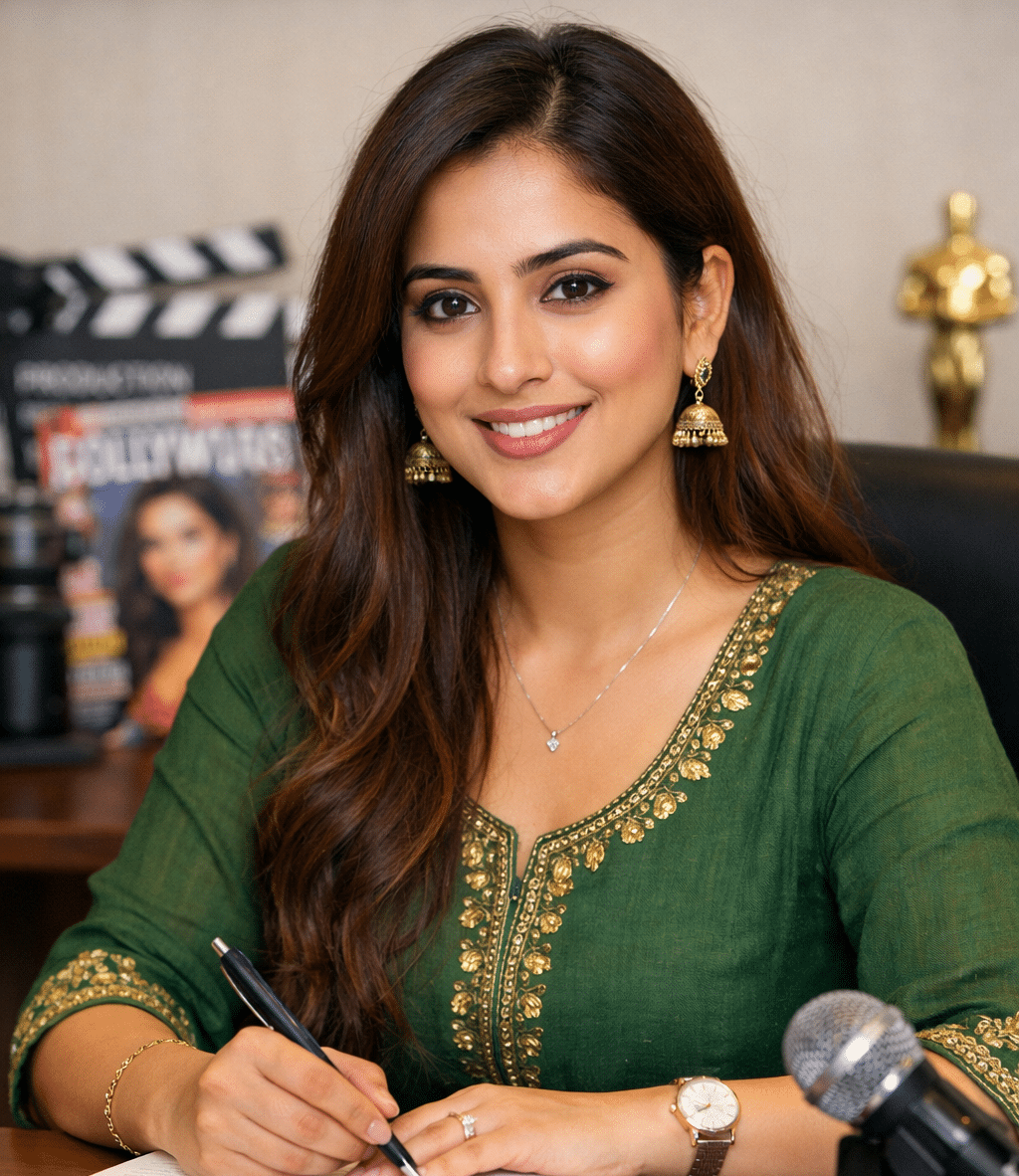
Ritika Sharma is a lead Entertainment writer at Insightful Post, where she tracks the latest shifts in global cinema, streaming trends, and celebrity news. With a passion for storytelling both on and off the screen, Ritika provides sharp commentary on everything from red-carpet highlights to the business of Hollywood.
Ritika Sharma is a dedicated entertainment journalist and cultural critic with a deep passion for the art of storytelling — across film, television, music, and digital media. At Insightful Post, she covers the full spectrum of entertainment: from the craft behind Hollywood productions to the cultural impact of global streaming trends.
Ritika brings an analytical yet accessible voice to her writing, helping readers understand not just what is happening in entertainment, but why it matters. Her areas of focus include film scoring, fan culture, classic cinema, and the evolving landscape of TV writing.
With a background in media and communications, Ritika believes great entertainment journalism should be both informative and genuinely enjoyable to read. When she’s not writing, she’s rewatching classic films or deep-diving into the latest prestige TV series.