Social media has fundamentally restructured how entertainment is created, distributed, discovered, and experienced. Understanding how social media changed entertainment explains the creator economy, the decline of traditional gatekeepers, the rise of fandom culture, and why the entertainment industry of 2026 looks so different from 2010.
The Creator Economy: From Gatekeeper to Direct-to-Fan
Before social media, access to an entertainment audience required passing through gatekeepers — record labels, film studios, television networks, publishers. These institutions controlled distribution channels and therefore controlled access to audiences. Social media platforms eliminated this requirement. A musician with a smartphone can now distribute music directly to global audiences via Spotify, build that audience through TikTok videos, and fund their career through direct fan support on Patreon — all without a label’s involvement.
The economic consequences have been profound. The number of people earning sustainable full-time income from direct-to-fan entertainment has grown from essentially zero in 2005 to several million globally by 2026. YouTube, TikTok, Instagram, and Substack have each created distinct creator economies with different economics, audiences, and content formats. The gaming influencer ecosystem is one of the most developed examples of this creator economy maturation.
Fandom Culture and Participatory Entertainment
Social media transformed fandom from passive consumption to active participation. Fan communities on Twitter, Tumblr, Reddit, and Discord organise viewing parties, create fan art and fan fiction, run coordinated streaming campaigns to keep shows from cancellation, influence casting decisions through vocal campaigns, and generate real commercial pressure on entertainment companies that previous generations of fans could not.
The K-pop fandom model has become the most studied example of organised fan participation — BTS fans (ARMY) have coordinated streaming campaigns that set Spotify streaming records, organised political actions, and operated as a distributed global community with sophisticated internal organisation. This level of fan organisation has influenced how other entertainment industries think about building and engaging their audiences.
Fan fiction communities represent another dimension of participatory entertainment that social media has amplified — platforms like Archive of Our Own have grown to 10+ million works partly because social media makes finding and connecting with fan communities significantly easier than previous generation forums and mailing lists.
Algorithmic Discovery: How Content Finds Audiences
Social media platforms’ recommendation algorithms have become the primary discovery mechanism for entertainment content, replacing traditional media as the gateway to new films, music, and series. TikTok’s “For You Page” is widely credited with breaking songs that commercial radio had not picked up, reviving interest in decades-old films and television, and creating overnight audiences for previously obscure artists. Spotify’s algorithmic playlists have similarly reshaped music discovery — what the algorithm surfaces determines what most listeners hear.
The implications are significant: content optimised for algorithmic discovery (short, immediate, emotionally arresting) has structural advantages over content that rewards longer attention, creating pressure toward certain formats that may not serve all types of entertainment. The relationship between algorithms and the most globally streamed music demonstrates how algorithmic promotion shapes cultural consumption patterns at scale.
How Social Media Changed Hollywood
Hollywood has been forced to reckon with social media’s effects on several dimensions of its business. Marketing has fundamentally changed — the organic social media conversation around a film release now matters as much as or more than traditional advertising spend. A film that generates genuine social media enthusiasm (Everything Everywhere All at Once, Get Out) can outperform its marketing budget dramatically; a film that generates negative social media conversation (based on trailer reception, casting controversies, or early reviewer responses) may be damaged before release.
Casting decisions are now made with social media audience awareness — studios and streaming services consider the social media following of potential cast members as a genuine commercial variable. This has created both opportunities (previously unknown actors with large social followings getting significant roles) and distortions (casting decisions driven by follower counts rather than talent).
Frequently Asked Questions
Has social media made entertainment better or worse?
Both, in different ways. Social media has democratised creative opportunity, enabled minority interests to find sustainable audiences, accelerated the global spread of non-Western entertainment (K-pop, Bollywood, Nigerian music, Korean drama), and made entertainment more participatory and community-oriented. It has also created structural pressure toward short attention spans, algorithmic conformity over creative risk-taking, and parasocial celebrity culture that can be damaging to both creators and fans. The net assessment depends heavily on what aspects of entertainment you value most.
What is “parasocial relationship” in entertainment contexts?
A parasocial relationship is a one-sided emotional connection a viewer or fan feels toward a media personality — a sense of knowing and caring about someone who does not know you exist. Parasocial relationships have always existed with celebrities, but social media — particularly direct-address content on YouTube, Instagram Stories, and TikTok — has intensified them by creating the illusion of direct access and personal intimacy between creators and their audiences. At healthy levels, parasocial connection is a normal and functional part of fan engagement. At unhealthy extremes, it creates unrealistic expectations, distress when creators fail to meet parasocial expectations, and in severe cases, boundary violations toward creators.
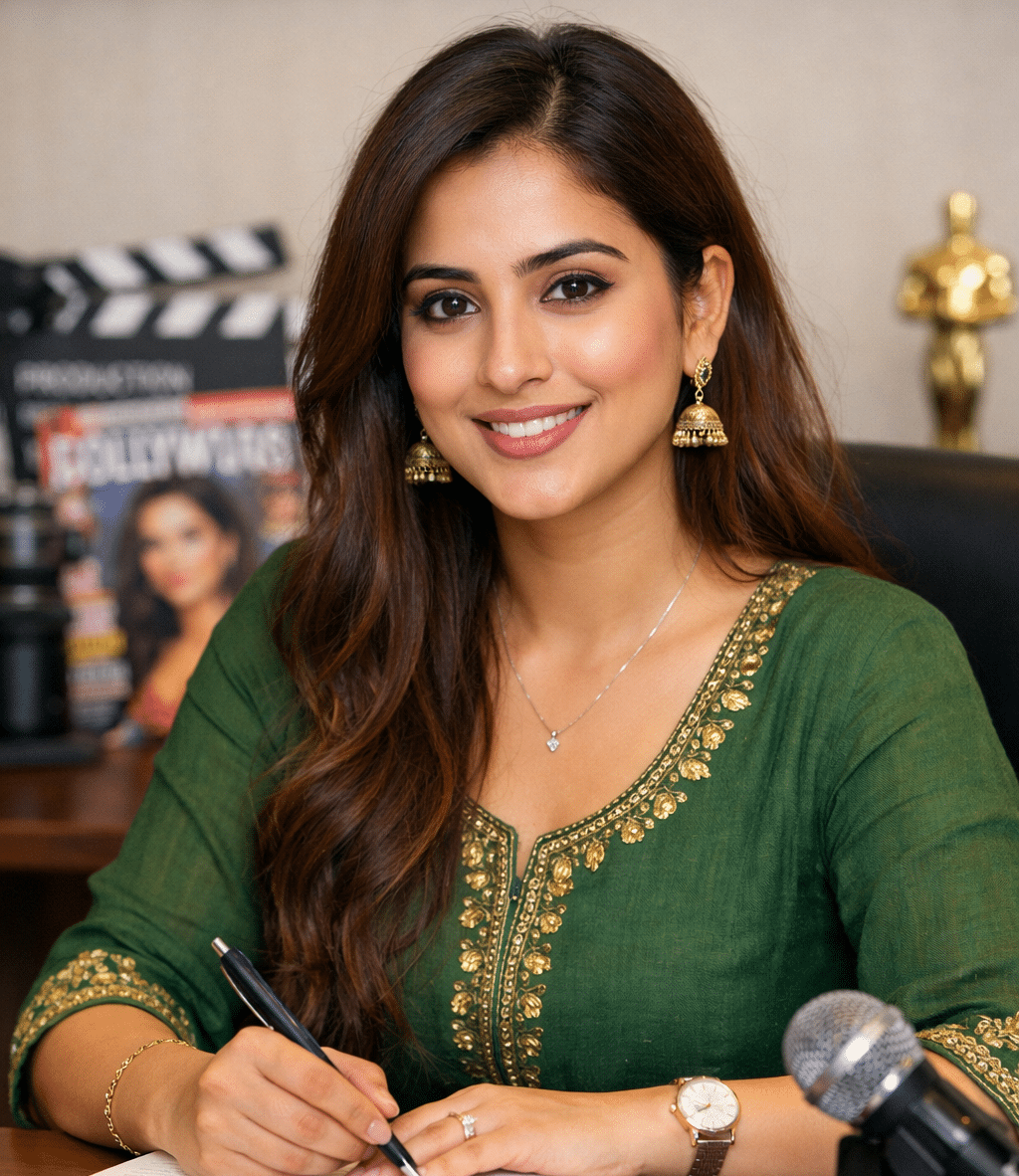
Ritika Sharma is a lead Entertainment writer at Insightful Post, where she tracks the latest shifts in global cinema, streaming trends, and celebrity news. With a passion for storytelling both on and off the screen, Ritika provides sharp commentary on everything from red-carpet highlights to the business of Hollywood.
Ritika Sharma is a dedicated entertainment journalist and cultural critic with a deep passion for the art of storytelling — across film, television, music, and digital media. At Insightful Post, she covers the full spectrum of entertainment: from the craft behind Hollywood productions to the cultural impact of global streaming trends.
Ritika brings an analytical yet accessible voice to her writing, helping readers understand not just what is happening in entertainment, but why it matters. Her areas of focus include film scoring, fan culture, classic cinema, and the evolving landscape of TV writing.
With a background in media and communications, Ritika believes great entertainment journalism should be both informative and genuinely enjoyable to read. When she’s not writing, she’s rewatching classic films or deep-diving into the latest prestige TV series.