A well-planned movie marathon is one of the most satisfying entertainment experiences you can create at home — a curated deep-dive into a director’s work, a genre, a franchise, or a theme that transforms passive viewing into a genuine cinematic event. Learning how to plan a movie marathon well is about curation, pacing, and creating the right environment for extended focused viewing.
Choosing Your Marathon Theme
The most memorable marathons are built around a unifying theme that gives the viewing experience coherence and allows films to illuminate each other. The strongest marathon frameworks:
Director retrospectives: Working through a director’s filmography in chronological order reveals artistic development in a way that random viewing cannot. Kubrick (The Killing → Paths of Glory → Spartacus → Dr. Strangelove → 2001 → A Clockwork Orange → The Shining → Full Metal Jacket → Eyes Wide Shut), Wes Anderson, David Lynch, and Akira Kurosawa are particularly rewarding for this format.
Franchise marathons: The MCU (24+ films, requiring multi-day commitment), the original Star Wars trilogy, the Christopher Nolan Dark Knight trilogy, the Indiana Jones series, or the Daniel Craig Bond films. Franchise marathons benefit from agreed watch orders — the MCU’s release order versus chronological order, for instance, produces meaningfully different viewing experiences.
Genre deep dives: Film noir from the 1940s-50s, Italian neorealism, French New Wave, Hong Kong action cinema of the 1980s-90s, Japanese horror, or contemporary South Korean cinema. Genre marathons are particularly educational as the films comment on and respond to each other.
Theme-based: “Films set in one location,” “unreliable narrator films,” “films from the year of your birth,” “films featuring the same actor in wildly different roles.” Conceptual constraints produce interesting curation challenges and discovery moments.
Building the Watch Order
Watch order matters more than most people realise. A marathon should arc — building in energy, alternating between tonal registers (a very heavy film after another very heavy film causes exhaustion), and saving the most resonant or impressive entry for a considered position. For franchise marathons with established best practices, checking fan community recommendations usually surfaces a consensus best order. For director retrospectives, strict chronological order is usually best. For genre marathons, interspersing a classic example with a subversive example with a contemporary example creates useful dialogue between films.
Practical Setup: Optimising the Viewing Environment
Room darkening is the single biggest picture quality improvement most home setups can make — even modest TVs look dramatically better with ambient light controlled. Blackout curtains or simply timing marathons for evening hours transforms viewing quality. Sound matters equally — a soundbar or external speaker system makes dialogue and score more immersive than TV speakers can achieve. For extended viewing, a good seating position (eye level with the screen, not looking up or down) and lumbar-supported seating prevents the physical discomfort that undermines late-marathon focus.
Pacing and Breaks
A day-long marathon should be structured like a festival screening programme: 10–15 minute breaks between films for bathroom, food, and mental reset; a longer break (30–45 minutes) mid-marathon for a proper meal; and clear discussion time built into the format if viewing with others. The most common marathon mistake is trying to maintain too tight a schedule — the pauses between films where you process what you’ve just seen are part of the experience.
Food planning for marathons rewards front-loading prep work: snacks and drinks ready before starting, a planned delivery or simple-to-prepare meal for the mid-marathon meal, and finger foods that don’t require leaving the room for shorter breaks. Finding films through free legal streaming platforms significantly reduces cost for marathons, particularly for classic and older films.
Recommended Marathons by Mood
For a perfect day off: The Wes Anderson marathon (The Royal Tenenbaums → Moonrise Kingdom → The Grand Budapest Hotel → Isle of Dogs). Four films, consistent visual pleasure, modest emotional demands.
For film history education: Akira Kurosawa (Seven Samurai → Rashomon → Ikiru). Three masterworks that define world cinema’s possibilities.
For horror fans: The A24 horror marathon (Hereditary → Midsommar → The Witch → Men). Shares a distributor’s aesthetic vision and escalates in formal experimentation.
For genre marathon: Film noir essentials (Double Indemnity → Sunset Boulevard → The Big Sleep → Laura → Chinatown as neo-noir closer). Five films that define and comment on a genre.
Frequently Asked Questions
How many films can you realistically watch in one day?
With proper breaks and a start time of 10am, most people can watch 4–5 standard-length films (90–120 minutes each) comfortably before attention fatigue sets in around 10–11pm. Trying to fit 6+ films in a single day usually results in the last films receiving significantly diminished attention. Better to plan a two-day marathon for large franchises than to compromise the experience by rushing.
What’s the best streaming service for movie marathon content?
It depends on your theme. Netflix for contemporary and recent releases; Criterion Channel for art house and world cinema; Tubi and Kanopy for classic Hollywood and international cinema without cost; HBO Max (Max) for Warner Bros. and prestige drama catalogue; Disney+ for franchise marathons (Star Wars, MCU, Pixar). Most marathon themes will draw from 2–3 platforms — the JustWatch app allows you to search for film collections across all your active services simultaneously.
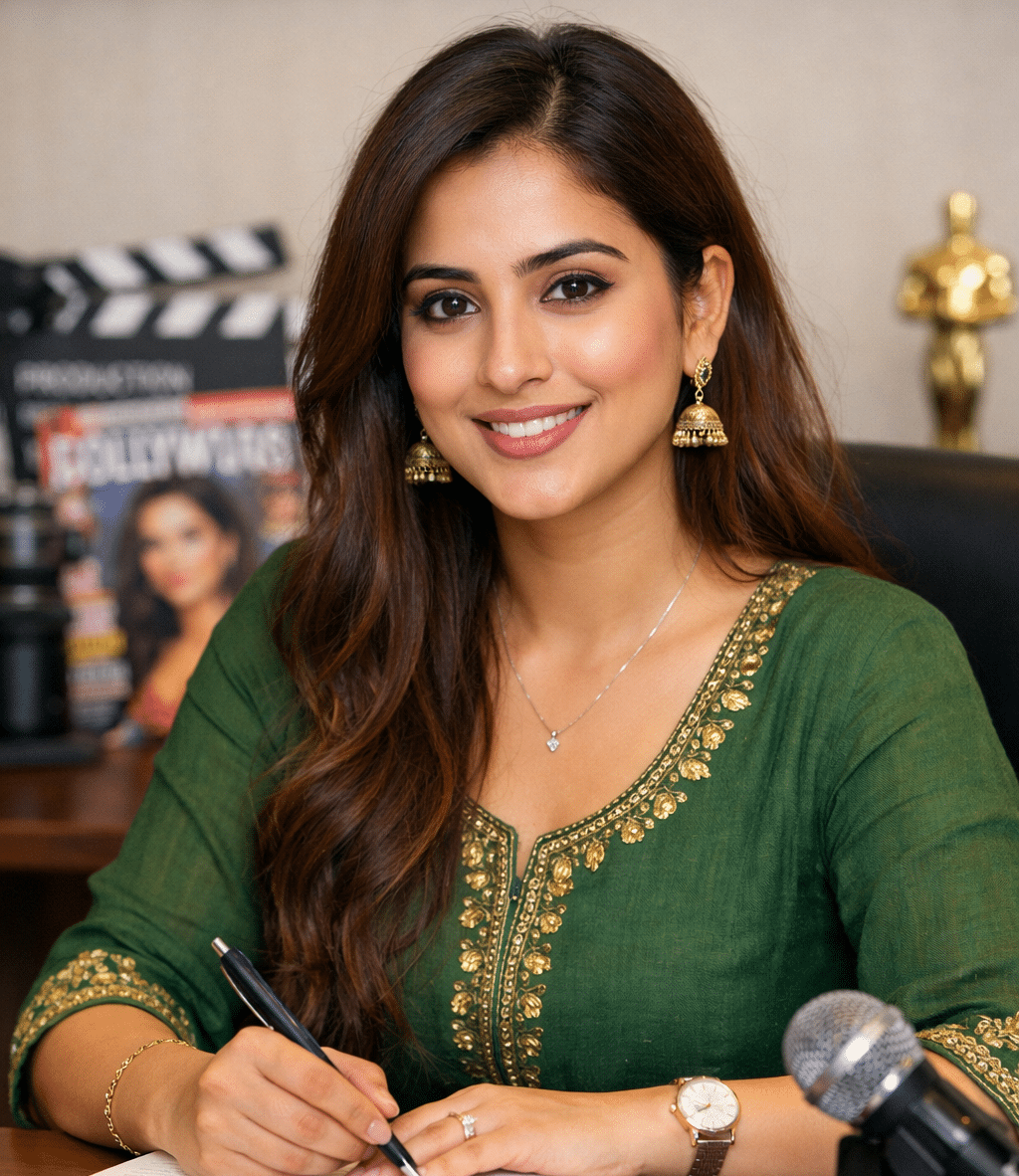
Ritika Sharma is a lead Entertainment writer at Insightful Post, where she tracks the latest shifts in global cinema, streaming trends, and celebrity news. With a passion for storytelling both on and off the screen, Ritika provides sharp commentary on everything from red-carpet highlights to the business of Hollywood.
Ritika Sharma is a dedicated entertainment journalist and cultural critic with a deep passion for the art of storytelling — across film, television, music, and digital media. At Insightful Post, she covers the full spectrum of entertainment: from the craft behind Hollywood productions to the cultural impact of global streaming trends.
Ritika brings an analytical yet accessible voice to her writing, helping readers understand not just what is happening in entertainment, but why it matters. Her areas of focus include film scoring, fan culture, classic cinema, and the evolving landscape of TV writing.
With a background in media and communications, Ritika believes great entertainment journalism should be both informative and genuinely enjoyable to read. When she’s not writing, she’s rewatching classic films or deep-diving into the latest prestige TV series.